

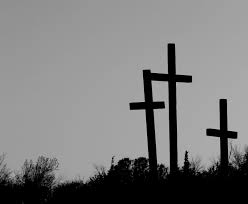
All four Gospels account for two other men who were hanged on crosses flanking Jesus – one to His left and one to His right. Are these men there simply for historical accuracy? Or are they there to represent something?
It is interesting to note that these three crosses can correlate with three important trees in Scripture. Genesis 2 says,
“The LORD God planted a garden in Eden, in the east, and there he placed the man he had formed. The LORD God caused the grow out of the ground every tree pleasing in appearance and good for food, including the tree of life in the middle of the garden, as well as the tree of the knowledge of good and evil.” (Genesis 2:8-9 CSB, emphasis mine).
Here we are introduced to two important trees: the tree of life and the tree of the knowledge of good and evil. God gave Adam a command, saying “You are free to eat from any tree of the garden (including the tree of life) but you must not eat from the tree of the knowledge of good and evil, for on the day you eat from it, you will certainly die” (Genesis 2:16-17). With these two trees, God provided Adam with two choices. Choosing obedience to God’s instruction meant continued access to the tree of life while choosing to disobey God and eating the fruit of the tree of knowledge meant choosing death.
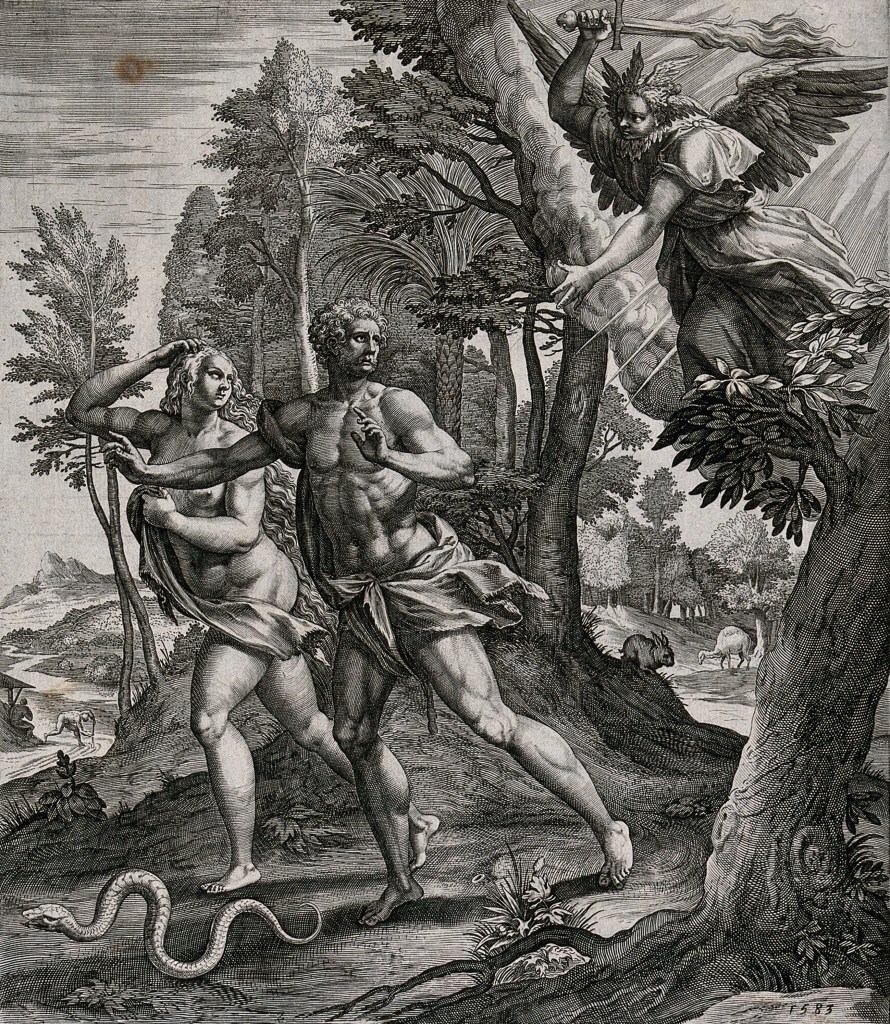
In the following chapter, Adam and his wife Eve both choose to eat from the tree of the knowledge of good and evil. They suddenly become aware of something they had not known before – evil. They had sinned against God and that caused a fracture in their relationship with everything around them: God, the earth, and each other. They suddenly felt exposed. Noting their differences, they sought to cover themselves with leaves. They tried to hide from God, but He knew where they were and what they had done. Now that they were corrupted by evil, God could not allow them to persist in their sinfulness. He drove them out of the paradise of the garden of Eden. He placed the cherubim and flaming sword between them and the tree of life. They had chosen a tree. They had chosen death.
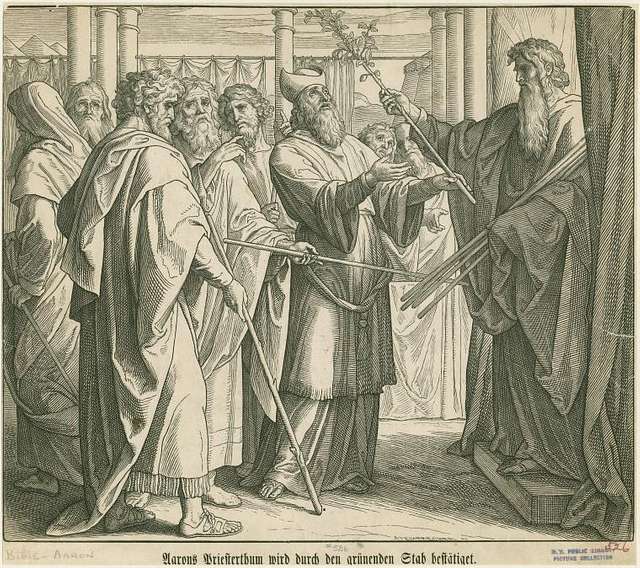
The rest of the Bible records people trying to deal with the problems that arise from rejecting God’s commands, just like Adam and Eve. Many times they try to cover up their sin on their own. That just makes it worse. Only those who walked closely with God were counted as righteous, but even those failed to follow Him at all times. But throughout the Old Testament, God told the people of another tree that would come. He told Abram that He would make him into a great nation from whom the world would be blessed. He told Judah that the scepter would not depart from him. Moses carried a wooden staff, which God used many times to demonstrate His power and will. The prophet Isaiah spoke of a shoot (or branch) of Jesse who was the Messiah.
Many centuries later, a boy named Jesus was born to a virgin named Mary. As that boy grew, people around him knew he was something special. When he was thirty years old, Jesus began to teach about the kingdom of God and call people to repent of their sins and turn to God. He gained a following that made the religious leaders afraid that they would lose power. They conspired against him to have him killed. But Scripture says that Jesus chose to lay down his life (John 10:18). It was not simply those leaders killing an innocent man. It was God’s choice from before the foundation of the world for His only Son Jesus to die (1 Peter 1:20).
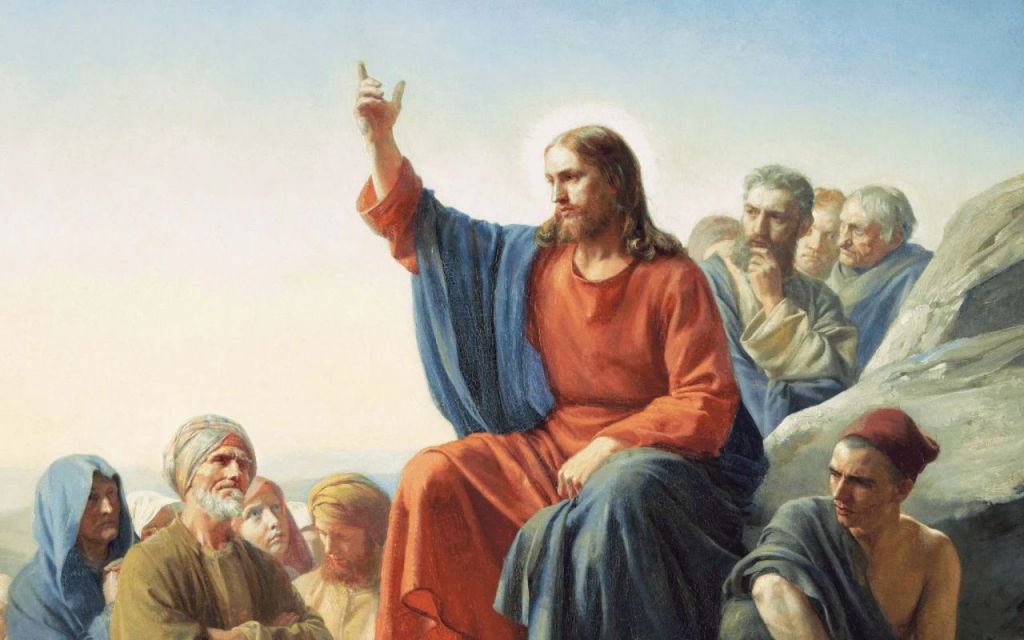
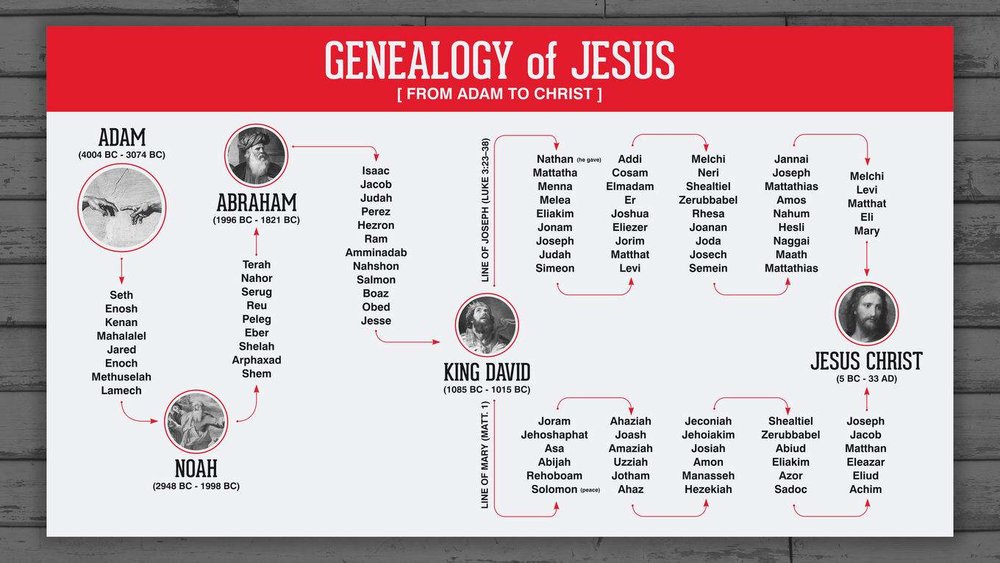
So this third tree was in two parts. First is the wooden cross upon which Jesus died. The cross itself, however, was not important. There were many criminals who died by crucifixion. The tree could have been used for someone else. More important is the second aspect – the tree was the shoot of David. Descended from David on both his biological mother Mary’s lineage and his legal father Joseph’s as well, Jesus was the tree that makes the difference.
The two trees on either side of Jesus represent the choice each of us can make. We are all like those two criminals. We have all sinned. None of us have lived up to God’s standard of righteousness (Romans 3:23; 3:10-12). We are all condemned to death. It is the way we look upon Jesus on the cross that makes the difference.

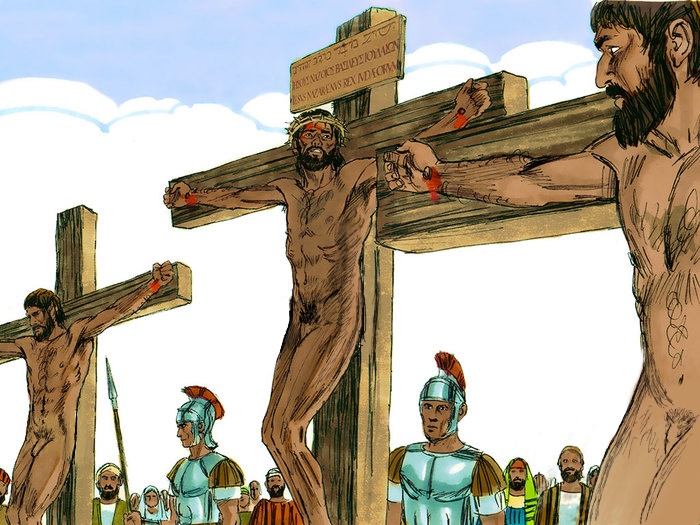
One man looked at Jesus on the cross and mocked him. He doubted Jesus’s claims (Luke 23:39). That man stayed bound under the curse of death. But the other man’s response was different. He admitted his guilt, but he believed Jesus’s claims. He didn’t even ask Jesus to save him. He simply wanted Jesus to remember him (Luke 23:40-42). Jesus’s response to him is what makes the difference. He told that thief, dying on his own cross for his sinful actions, that that very day he would be with Jesus in paradise (Luke 23:43).
The third tree made the difference. The book of Revelation closes with the image of the tree of life and God dwelling among the people (Revelation 22:1-5). The way you respond to the third tree – Jesus on the cross and His resurrection – determines which tree you dwell under. If you reject Jesus, you mock him. You believe that he is not the Son of God and that he cannot save you. You remain under the tree of the knowledge of good and evil. You remain under the curse of death. Scripture says that you will spend eternity in the second death.
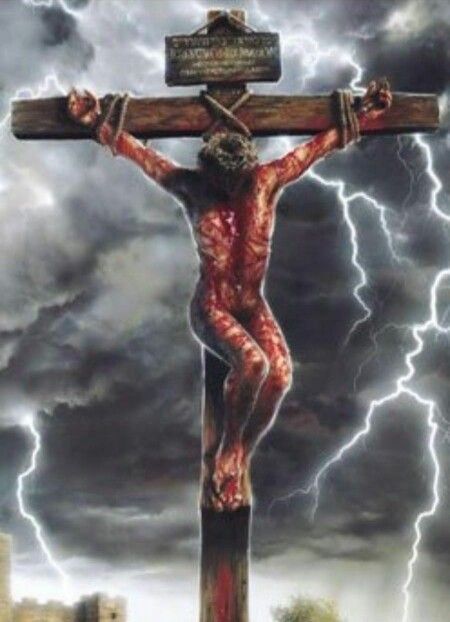
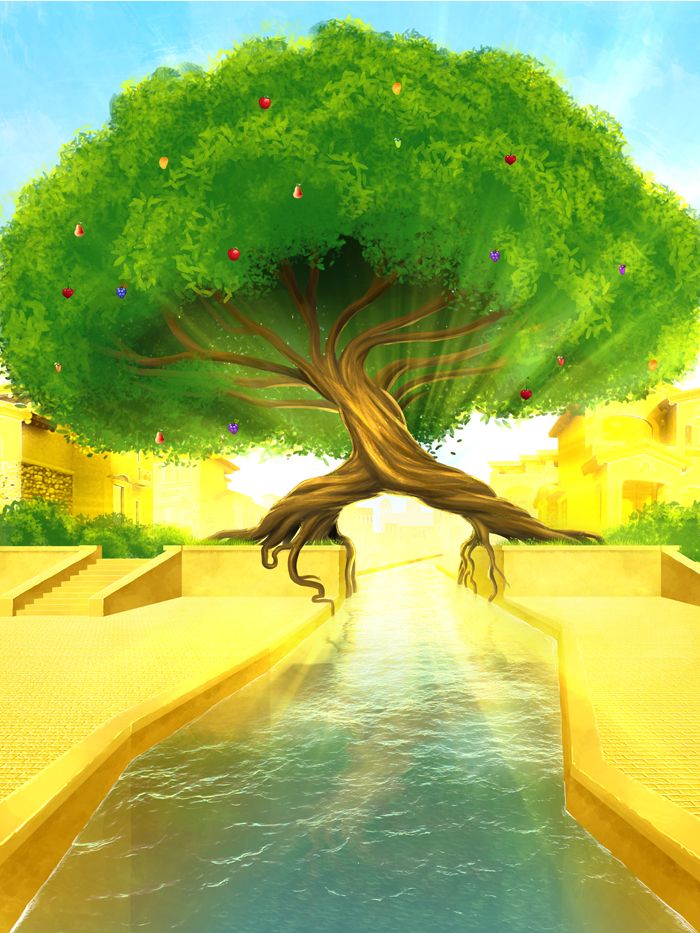
But if you respond to Jesus the way of the second thief – if you believe in him and ask him to remember you – then you will dwell forever under the tree of life, in a restored relationship with God. The third tree makes all the difference. So what is your response to the second tree? How do you respond to Christ?

 Joel McReynolds
Leave a comment