
In the last couple of posts, I have been examining the Social Gospel and Prosperity Gospel movements. I first examined the historical and ideological roots of the movements. Then I looked at the major doctrinal teaching points of the two movements. In today’s post, I compare the two movements and show how they are related and how they are different. I also demonstrate how both have influenced the present culture.
Born in the same historical context, the Prosperity Gospel and the Social Gospel approached the social issues of the time from differing ideological backgrounds. There are some major differences between these gospels, but there are some similarities as well.
Major Differences
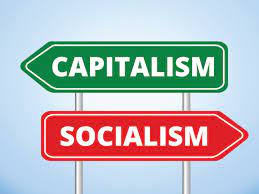
The Social Gospel saw capitalism as the source of the great evil of the world. Capitalism was driven by selfishness and greed. Therefore, proponents of the Social Gospel rejected capitalism and embraced Socialism. The Prosperity Gospel, on the other hand, embraced capitalism and consecrated it as a form of holiness. Seemingly from another planet are the concerns of liberal theology in which individual prosperity can only be obtained through socialist economies in which the individual identity takes a back seat to the common good.[1]
The two movements differ in their ideas of redemption as well. The Prosperity Gospel is focused on the individual while the Social Gospel is concerned with society. Therefore, the Social Gospel emphasizes the individual’s duties and calls individuals to sacrifice on behalf of the improvement of society. The Prosperity Gospel is more concerned with the individual’s rights as children of God. The emphasis is on obtaining what is rightfully owed.
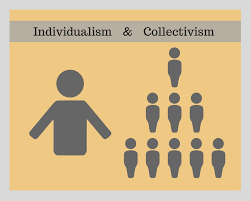
The Social Gospel is all about social justice. It is a theological rooted necessity. For the Prosperity Gospel, the needs of society are best met through empowering individuals. Local community engagement and aid to individuals are limited. Rather than direct action, there is a turn to self-help materials.[2]
Major Similarities
Despite the vast and seemingly contradictory natures of these movements, they have some fundamental similarities. Both view God as active in this present world. The concern for both is to make God’s will apparent in the world. The Social Gospel approaches this in a societal context, but the Prosperity Gospel approaches God’s Will as manifest in the individual’s life.
A utopian view is found in both movements. The Prosperity Gospel teaches that the individual is entitled to have his or her best life now. The Social Gospel teaches the same concept, but for society. There is no concern for eschatology. The kingdom of God is already present in this life. God’s greatest desire is to see his people happy. Religion is focused on wholeness in the present life.

Both movements possess a high view of humanity. Both are centered on human needs. The concern is with creatures, not the Creator. The goal is to blend the consciousness of God and the consciousness of humanity. Christianity is to be the incarnation of God in the world. The purpose of life is to become more godlike through either self-sacrifice or self-edification.
The Momentum of the Movements
These movements arose around the same time but took differing trajectories in the mid-nineteen fifties. One movement endured and prospered while the other withered and died. Yet perhaps it was reborn in the late twentieth century.

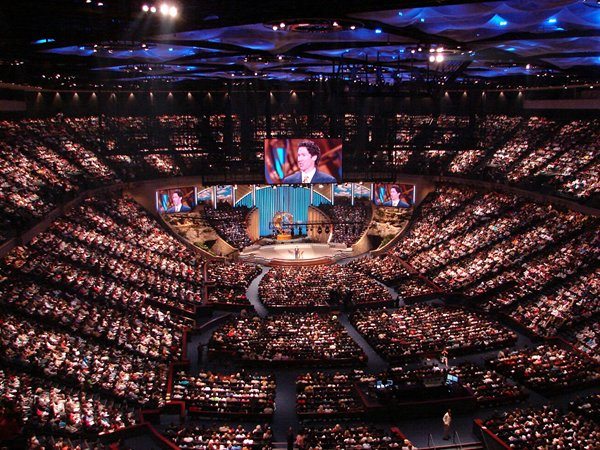
Some claim that Prosperity Gospel churches represent the fastest growing branch of world Christianity.[1] It is likely the fastest-growing segment of the Pentecostal-Charismatic movement.[2] Fifty of the largest two hundred-sixty churches in the United States promote the Prosperity Gospel.[3] Its message has spread around the world, penetrating even religiously strict countries such as China. The Trinity Broadcast Network (TBN) serves as a global platform for Prosperity preachers to reach large audiences.[4] The Prosperity Gospel has continued to prosper.

On a purely historical level, the Social Gospel is dead.[5] The movement reached its peak after the first two decades of the twentieth century.[6] By the nineteen-twenties, the momentum of the movement was waning. Liberal theology was under attack from neo-orthodoxy.[7] The general disillusionment following World War I led to the end of the hopeful mood required for the Social Gospel’s success. The shaking of the liberal foundation of the movement continued throughout the thirties until, by the end of the forties, the movement had disappeared.[8]

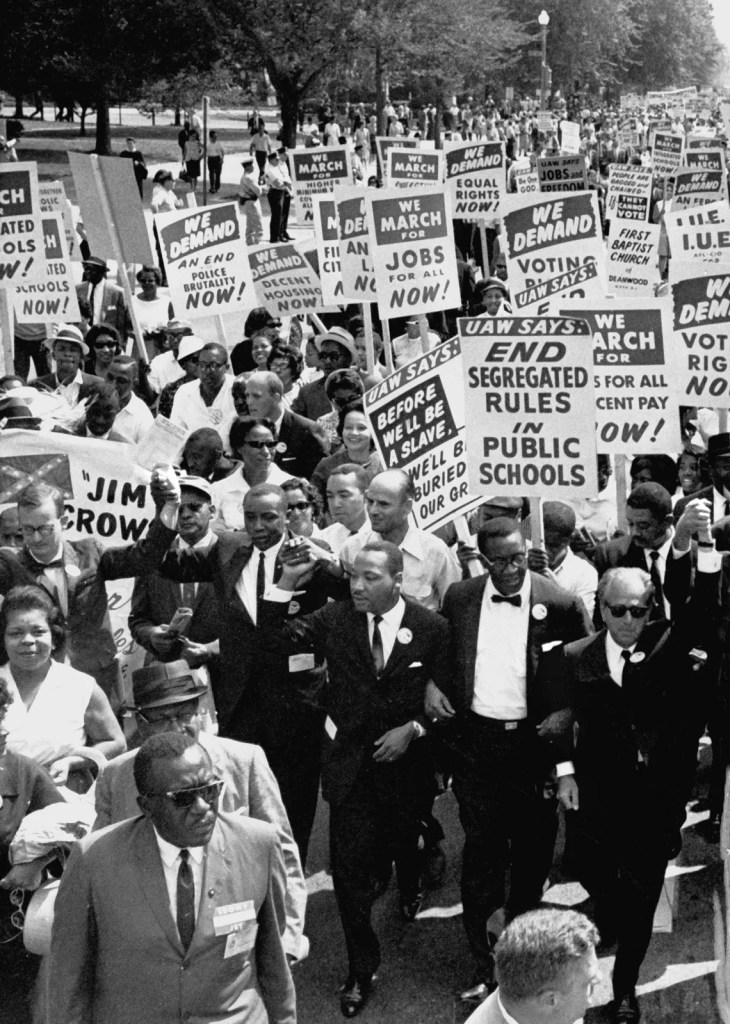
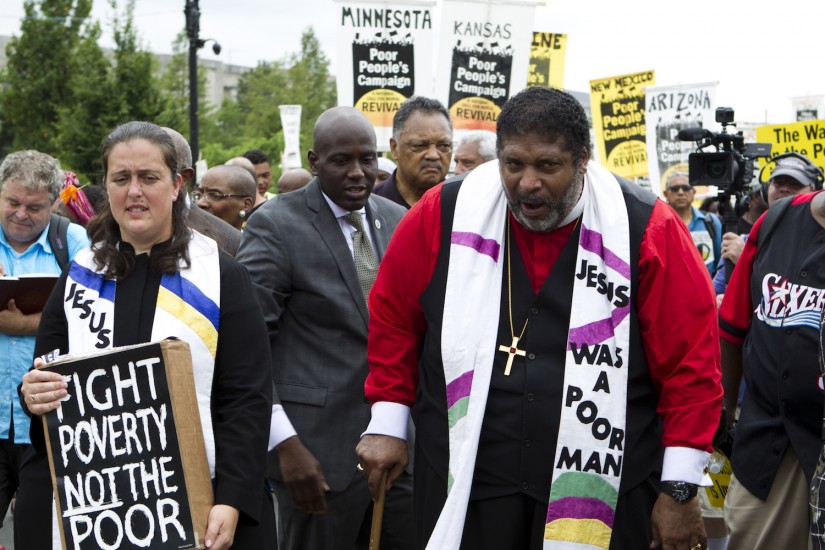
The Social Gospel movement paved the way for the Civil Rights movement of the nineteen-sixties.[9] Martin Luther King, Jr. reinvigorated the Social Gospel.[10] King advanced Christian social activism precisely because he picked up some of the ideas of the Social Gospel movement.[11] He granted the Social Gospel a new life that has quietly endured into the twenty-first century.
[1]Attanasi and Yong, Pentecostalism and Prosperity, 2.
[2]Vines, SpiritWorks,158.
[3]Jones and Woodbridge, Health, Wealth, & Happiness, 15.
[4]Ibid, 56.
[5]Evans, The Social Gospel Today, 13.
[6]Tandy, The Social Gospel in America, 3.
[7]White and Hopkins, The Social Gospel, 243.
[8]Tandy, The Social Gospel in America, 14-15.
[9]Dorrien, “Society as the Subject of Redemption,” 45.
[10]White and Hopkins, The Social Gospel, 273.
[11]Evans, The Social Gospel Today, 36.
Conclusion
Birthed by opposing ideologies and advocating for seemingly contrasting goals, the Prosperity Gospel and the Social Gospel sought to provide a response to the societal needs of the late nineteenth and early twentieth centuries in markedly different ways. Yet their context bound them to cultural similarities evident in their theology. Despite facing harsh criticisms, two world wars, and a rising postmodern worldview, both movements have endured into the twenty-first century.

 Joel McReynolds
Leave a comment