
I have been examing the challenge of the prosperity gospel to global missions for the last couple of weeks. Last week I showed the rise of the movement and its spread to Latin America, Asia, and Africa. In this post, let’s see the effects of the prosperity gospel on these continents.
The effects of the Prosperity Gospel vary widely. While there have been some positive contributions, the effects have been largely negative for evangelical missions. While many of the effects overlap among different cultures, it is prudent to examine each in its own context.

Effects of the Prosperity Gospel in Latin America
The rise of the Prosperity Gospel in Latin America suggests the movement’s potential to foster economic values and development.[1] As the Prosperity message focuses less on traditional issues of ethical conduct and more on economic entitlement[2], a new generation of entrepreneurial charismatic leadership has emerged.[3] Most of these churches are located within metropolitan areas. A good case study is found in Timothy Wadkins’s examination of San Salvador.
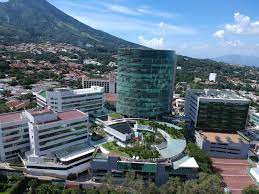
Churches located in suburbs like San Salvador’s Santa Elena church Central Christiano Internacional target the educated and professional sectors of society. This church sees nearly three thousand in attendance each week, but nearly sixty percent of attendees come from other evangelical and Pentecostal churches. The pastor, Ricky Esquivel, claims to have been called to ministry following a successful secular career as an architect. He claims to have had a deep encounter with God, a prophetic announcement, and a series of supernatural dreams. Similar stories are heard from many Latin American Prosperity churches. All have male founders who possess traits of the “big man of God.” They carry world-successful personas and claim high levels of education. They feature technological sophistication and high-energy music. They embrace an ethos of global economic culture and promote spiritual capitalism.

Members of churches like this see membership in the church as an escape from a lower social status. Most members are already prosperous or on the way up the socioeconomic ladder and feel uncomfortable with their success and prosperity in traditional churches. They find a kind of freedom in the Prosperity Gospel churches. Yet these members attend church services less than other churches. They read their Bibles less frequently. They tend to have more liberal views and are less likely to share their faith. Their ease in the material world causes them to deemphasize the things of God.[4]

An interesting effect of the Prosperity Gospel in Latin America has been the role of women in society. Churches that embrace the Prosperity message teach that a believing wife is held more responsible than her non-believing husband for the couple’s prosperity. This allows women to be more active and capable of material achievement. Women tend to be more assertive and confident in their ability to act accordingly.[5] They are also granted more freedom to lead in these churches. While they do not hold the title of pastor, they perform nearly all the functions of pastors.[6] However, they are generally called missionaries, which could cause confusion when ministering to the populace.
[1] Attanaski and Yong, Pentecostalism and Prosperity, 93.
[2] Patterson and Rybarczyk, The Future of Pentecostalism, 77.
[3] Wadkins, Timothy H. The Rise of Pentecostalism in Modern Salvador (Waco: Baylor University Press, 2017), 119.
[4] The majority of this section comes from Wadkins The Rise of Pentecostalism in Modern Salvador, 119-196.
[5] Cleary and Steward-Gambino, Power, Politics, and Pentecostals, 48-49.
[6] Ibid, 62.
Effects of the Prosperity Gospel in Asia
David Yonggi Cho’s teaching has been the most influential on Prosperity Gospel preaching in Asia. His instrumentation of God has a strong pull for many coming from indigenous religions.[1] One of the biggest failures in Christian missionary work is a failure to provide a functional substitution for the old religion, but Prosperity Gospel Christianity offers such a substitution for those coming from other religious systems.[2]
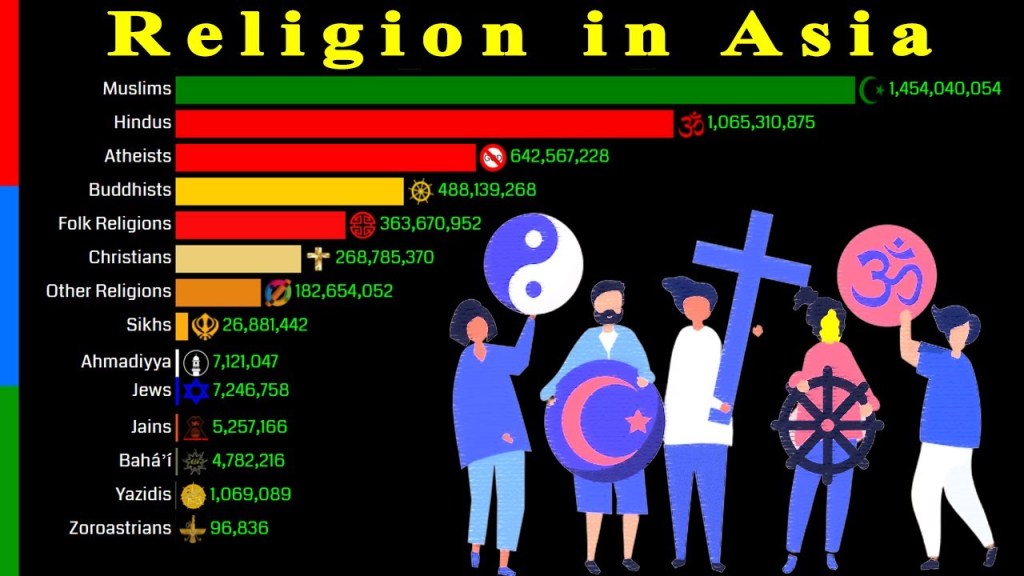
Yet it offers many issues as well. Theologically, there is a danger of reducing human relationships with God into a transaction. Mike Velarde in the Philippines asked his congregation to lift their wallets to God for Him to fill them up. This would then be returned to God in an ever-increasing cycle. Such teaching provides a quick judgment of one’s spirituality based on his or her wealth.[3] Members belong to a complex gift exchange system in which material prosperity is believed to be in return for their tithes.[4]

A study on the way Prosperity Gospel adherents in the Philippines engage in extensive media productions of their church explores the way radio broadcasts extend the church’s sacred space into the home and secular public space. However, this extension can create a public culture of Prosperity Gospel style that does not lead to committed church members.[5] It also creates a culture of misinformation about the gospel.

An extreme side of the Prosperity Gospel is when preachers exploit people to enrich themselves. There is an ethical problem when a preacher maintains a lavish and celebrity lifestyle at the cost of the poverty of the masses. This makes the message destructive, injuring people financially and spiritually.[6]

A final charge in the Asian context is that of syncretism. Shamanism has influenced the message in Korea. The Prosperity Gospel has focused the gospel on healing in material, personal, and family dimensions that are indistinguishable from the concept of han. Defenders see this as successful contextualization of the gospel in a shamanistic environment.[7]Conversely, the emphasis on material blessings has resulted in the marginalization of the salvific gospel.
[1] Ma, Pentecostal Mission, 277
[2] Ibid, 281-289.
[3] Ibid, 276-77.
[4] Anderson, etc. Studying Global Pentecostalism, 171.
[5] Ibid, 167.
[6] Ma, Pentecostal Mission, 71, 291.
[7] Yong, Amos. The Spirit Poured Out on All Flesh: Pentecostalism and the Possibility of Global Theology (Grand Rapids: Baker Academic, 2005), 51.
Effects of the Prosperity Gospel in Africa
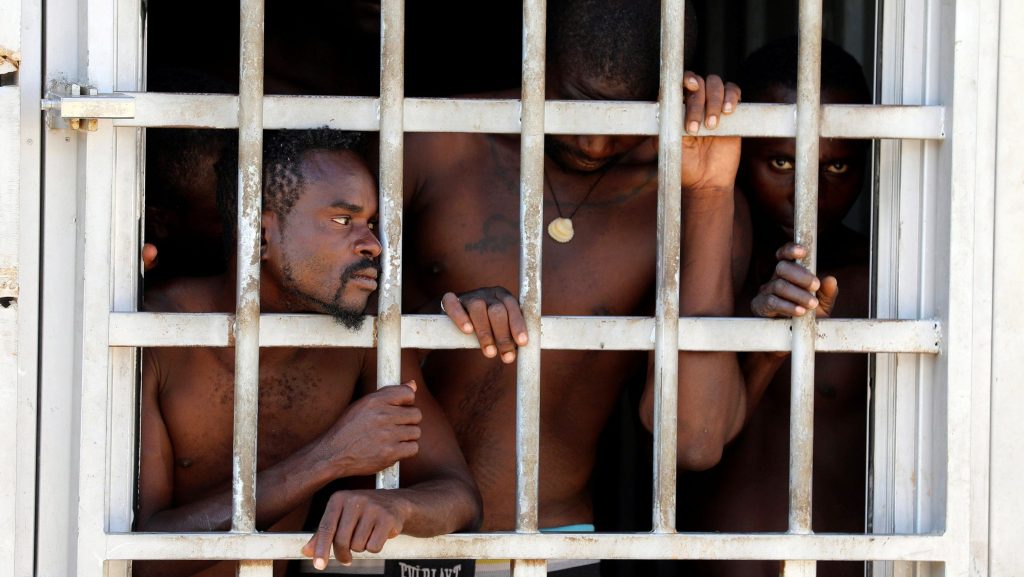
Williams states the effect most strongly: “The Prosperity Gospel has enslaved the continent of Africa to a false gospel”[1] and “The problem… is that the prosperity gospel has had very little, if any, positive effect in Africa, with more and more people being deceived and poverty increasing.”[2]

Perhaps the greatest issue of the Prosperity Gospel in this context is that of syncretism. Animists simply replaced witch doctors with preachers who live in prosperity. These pastors prey on the people’s beliefs in the spirit world and replace the old methods with new ones in the name of Christ.[3] The preacher becomes an intermediary, like the witch doctor, between man and God. Prosperity is claimed as given by the pastor rather than God. The “big man” mindset, which holds that those in positions of power are elevated, leads the pastors to be highly honored. This leads to issues even among evangelical churches as the people chase the next “big man.” The preachers that claim direct revelation from God are quite like the witch doctors’ visions. The claim of communication and direction of the supernatural is indistinguishable from traditional African religions.[4] Missionary fatigue has produced compromises of the gospel, allowing people to have their feet in both primal religion and biblical Christianity.[5]

The Prosperity Gospel favors the wealthy or those who are on their way up. This emphasis on material prosperity as a sign of faithfulness leads to looking upon the materially destitute as people without the testimony of divine blessing.[6] It feeds peoples’ greed, but it also feeds their guilt. They compare themselves with others and blame themselves for a lack of faith when they do not gain what they desire.[7]

Nonetheless, the Prosperity Gospel tends to result in prosperity for its leaders, but rarely does it result in prosperity for most of its followers.[8] At the same time, since the Prosperity Gospel teaches that one can claim wealth by faith and positive confession, there has been a lack of work ethic, leading to further poverty.[9] Claiming the promises of Prosperity, some young people have terminated their employment prematurely to begin their own businesses and pastors have seceded to being their own ministries only to see them fail.[10] The Prosperity Gospel finds it difficult to deal with such pain and disappointment.[11]
[1] Williams, “The Prosperity Gospel’s Effect,” 29.
[2] Ibid, x.
[3] Williams, “The Prosperity Gospel’s Effect,” 13-14.
[4] Ibid, 14-20.
[5] Kalu, African Pentecostalism, 126.
[6] Asamoah-Gyadu, J Kwaben. “The Prosperity Gospel and Its Challenge to Missions in Our Time” (Legon: Lusanne Movement, 2014), 5.
[7] Williams, “The Prosperity Gospel’s Effect.” 18
[8] Ibid, 16.
[9] Ibid.
[10] Asamoah-Gyadu, “The Prosperity Gospel,” 2.
[11] Ibid, 4.
Next week I will conclude this series with some steps to combat the Prosperity Gospel.

 Joel McReynolds
Leave a comment