
In this week’s post, I close the series on the challenge of the Prosperity Gospel to missions by looking at some steps to combat it. This is part four. If you have not read the other posts about this topic, please read them starting here.

The Prosperity Gospel provides challenges for the missionary, but they must be overcome to see the advance of the salvific gospel of Jesus Christ around the world. There are several actions missionaries can take to respond to the Prosperity Gospel.

There is a need for improved teaching within the church. While church leaders may be trained, usually members are not. Missionaries must be trained with proper theology and then they must educate at the church level.[1] Missionaries must be careful not to demonize wealth or material prosperity. There is godly prosperity within orthodox Christianity. Instead, missionaries must promote Christian giving in terms of Christian worship.[2] Additionally, missionaries should be discerning in the study material provided to churches and make solid literature available to them. African churches need to be taught how to study the Bible with proper hermeneutics.[3]
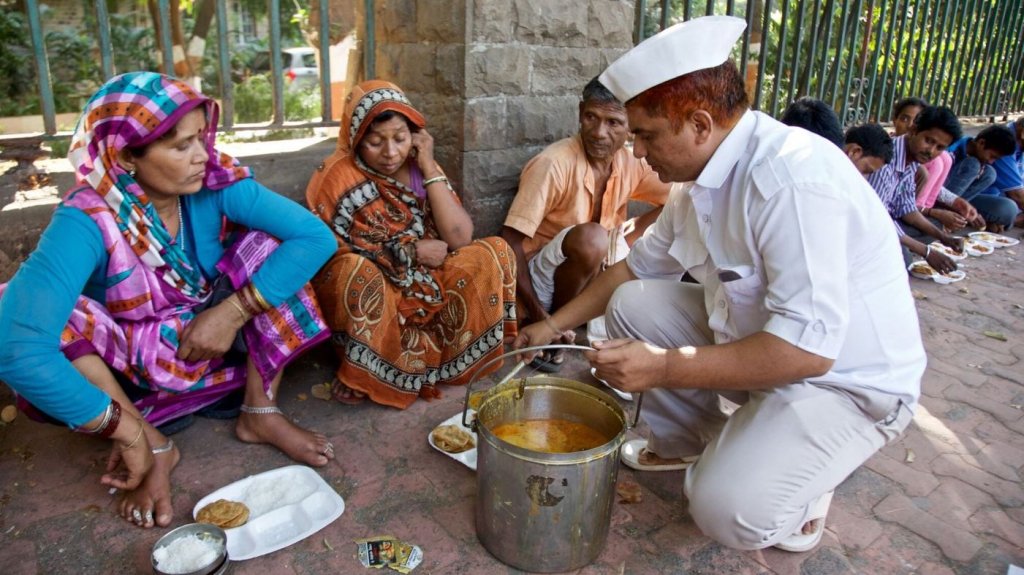
They must demonstrate the relevance of the Scriptures to the everyday needs of people. They must teach that God cares about the poor and that God will strengthen them through their situation, but not necessarily make them rich or healthy. They must develop programs that address the present and long-term needs of the poor. They must build up funds and the means to help people in financial emergencies.

Missionaries need to develop the church as a community, considering and establishing a proper leadership structure. Part of developing the church as a community required missionaries to stay for longer periods of time. Short-term mission work had little to no lasting effect within the African context.
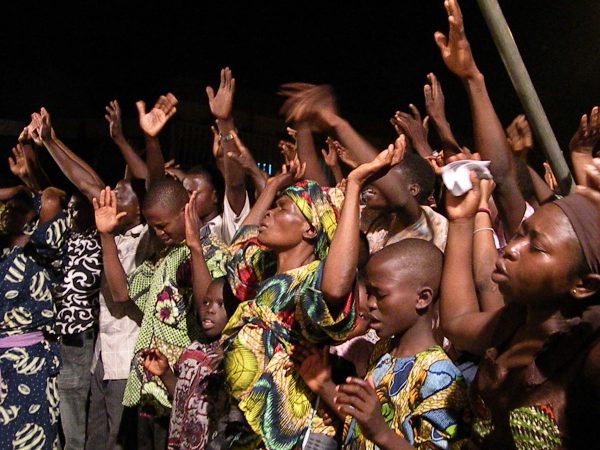
Finally, missionaries must allow people to worship God in a manner that accommodates the culture while accurately expressing Scripture. Missionary preaching should not impose a Western style of rhetoric but adopt or adapt local styles. The Prosperity Gospel has been adept at expressing itself in a style familiar to the local populace. It has also done well utilizing the media of television and radio. Evangelical missionaries would do well to utilize these avenues as well in cultural contexts where they would be effective, such as Africa.[4]
The Prosperity Gospel has been leading the way in global missions. It brings many challenges to sharing the hope of the true gospel of Jesus Christ in many cultural contexts around the world. That must not hinder Evangelical missionaries from their important work. Current missionary enterprise and theological study must continue to articulate solid responses to a gospel that sounds fascinating to many people and many cultures around the globe but is alien to the values upheld by Christ Jesus.[1] Missionaries must continue to study and challenge the false gospel that has ensnared too many in its lesser promises that leave people hurting or longing for something else. They need the truth of the gospel of Jesus Christ. Take it to them.
[1] Asamoah-Gyadu, “The Prosperity Gospel,” 6.

 Joel McReynolds
Leave a comment