
This week’s post begins a discussion about the authoritative nature of the Christian Bible, identified as God’s holy word in written form. The focus this week is on the reaction against the Bible.
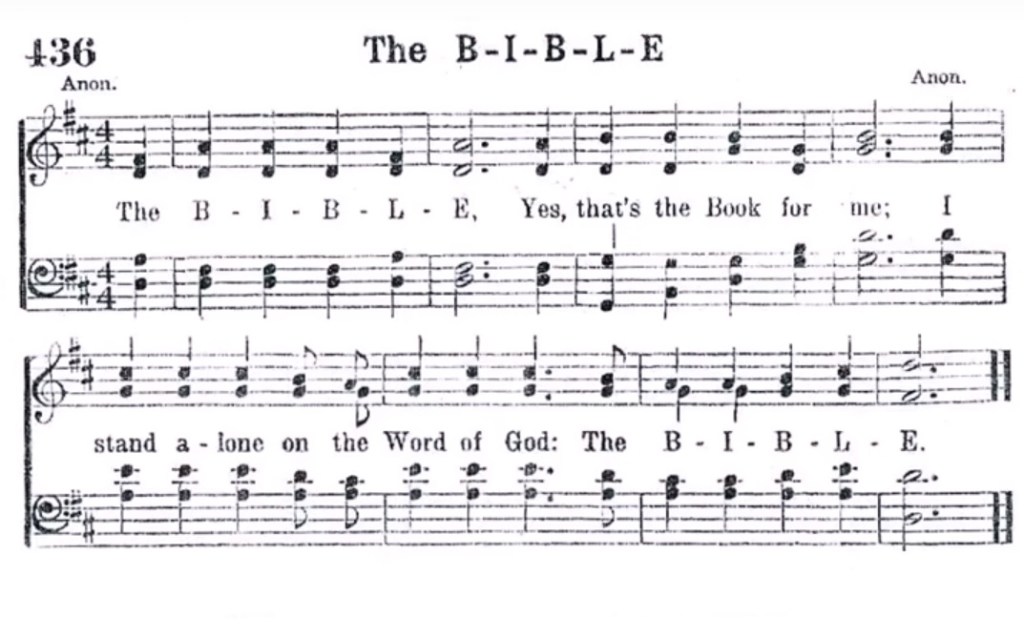
How can a Christian safeguard himself or herself against the danger of falling into error or heresy? The tendency in contemporary Christian culture is to separate Jesus from the Bible. People accept Jesus and some of his teachings while rejecting the rest of the Bible. This allows Jesus to become whatever the person wants Jesus to be. He can be the loving, ethical teacher. He can be a prophet. Yet the Bible teaches that Jesus was more than these; He was and is the Son of God. One’s view of Scripture affects one’s view of Christ and vice versa. Christian believers must be clear on the issue of biblical authority. As the old Vacation Bible School song says, Christians must stand alone on the Word of God, the B-I-B-L-E. The Bible is the Christian’s sole authority as it is the Word of God.
The rejection of the Bible as the authoritative Word of God reflects mankind’s rejection of all authority, especially man’s rejection of God’s authority. In order to understand the Bible as authoritative, the believer must understand that God possesses divine authority, regardless of whether it is acknowledged. God extended his authority to the Old Testament prophets and the New Testament apostles. These two groups were inspired by the Holy Spirit to write exactly what God wanted to say to His people. God’s authorized representatives, empowered by God’s Spirit, wrote his word to his people. Therefore, the Bible is authoritative for the Christian life. The doctrine of authority must be maintained.
The Rejection of Authority
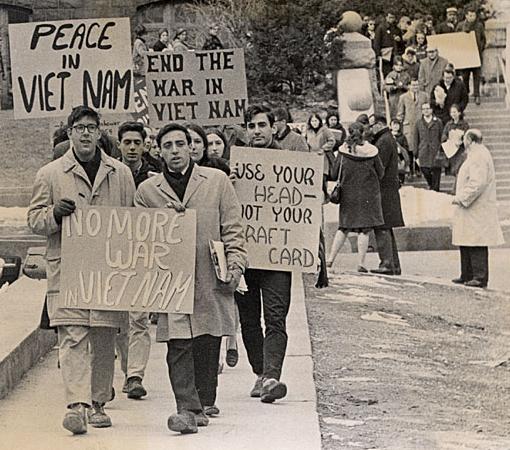
Looking at the world, one can see that people reject authority. Perhaps that is clearer in the United States than anywhere else. The country began as a rejection of the authority of the Anglican Church, then as a rebellion against the King of England’s authority. In the 1960s and 70s, many people protested the war in Vietnam. Some drafted to serve rebelled against the government’s authority to send them overseas.
The same holds true today. As the various state governments required Americans to cover their faces with masks, some citizens rejected those governments’ authority to command such an act. Such rebellion is nothing new. In fact, Paul wrote in Romans 13,
“Let every person be subject to the governing authorities. For there is no authority except from God, and those that exist have been instituted by God. Therefore, whoever resists the authorities resists what God has appointed, and those who resist will incur judgment.”
Romans 13:1-2
This rejection of authority has only grown stronger with time. Postmodern philosophy rejects the idea of absolute authority. According to this philosophy, everyone is entitled to their own opinion. Authority is invested in the individual; therefore, the individual determines what is right or wrong. Paul’s teaching in Romans 13 demonstrates that rebellion against human authorities is really indicative of humanity’s rebellion against God.
Paul opened his letter to the Romans by condemning mankind’s rebellion against the Creator. He wrote,
“For although they knew God, they did not honor him as God or give thanks to him, but they became futile in their thinking, and their foolish hearts were darkened. Claiming to be wise, and exchanged the glory of the immortal God for images resembling mortal man and birds and animals and creeping things.”
Romans 1:21-23
Mankind rejected God as the absolute authority. Instead, humanity sought to rule itself. Instead of looking to God for truth, truth would be relative. It would be rooted in individuals or cultures. In determining such an attitude, mankind rebelled against God’s authority.

Rejecting God’s Word is rejecting God’s authority. This is apparent as early as Genesis 3. When the serpent came to Eve, he called her to question God’s Word given to Adam. When Adam and Eve rebelled against God’s Word, they rebelled against God Himself. The battle for the authority of the Bible is not simply a question of who is right and who is wrong. It has far greater implications. It is a battle for the authority of God. The first claim to be made for the Bible is for its authority.
Next week I will continue this idea by looking at God’s authority and how the written word applies to His work.

 Joel McReynolds
Leave a comment