

Last week I began writing about the authority of the Bible. The authority of the written word rests on the authority of the one who gives it. Let’s look at the authority of God, the authority of His written word, and the authority of those who wrote it down.
The Authority of God
The authority of the Bible rests in the authority of God. Is God the absolute authority for humanity? The answer is simply yes. If there is a supreme being, a being beyond creation, a being who created all things, as the Bible teaches, then He has the right of authority. Theologian Millard Erickson defines authority as “the right to command belief or action.”[1] God possesses authority by nature of his position as creator. He has both the right and the power to ensure proper authority. Carl F.H. Henry wrote, “Without power, authority becomes hobbled; without authority, power becomes illegitimate.”[2] God is the legitimate and powerful authority over the lives of all men, whether they recognize it or not. Man’s failure to recognize authority does not revoke God’s authority. God is the absolute authority over all creation, despite mankind’s rebellion against that authority.
The authority that resides in God’s person is also inherent in His word. In Scripture, God’s Word is so closely related to the action that it produces that the two are combined into one. In other words, God’s Word is His action. In Genesis 1, God spoke and the universe was created. In the New Testament, God declared those who place their faith in Christ to be righteous and by such His speech-act, believers are made righteous. Yet the majority of the time, God does not speak directly to mankind as a whole.
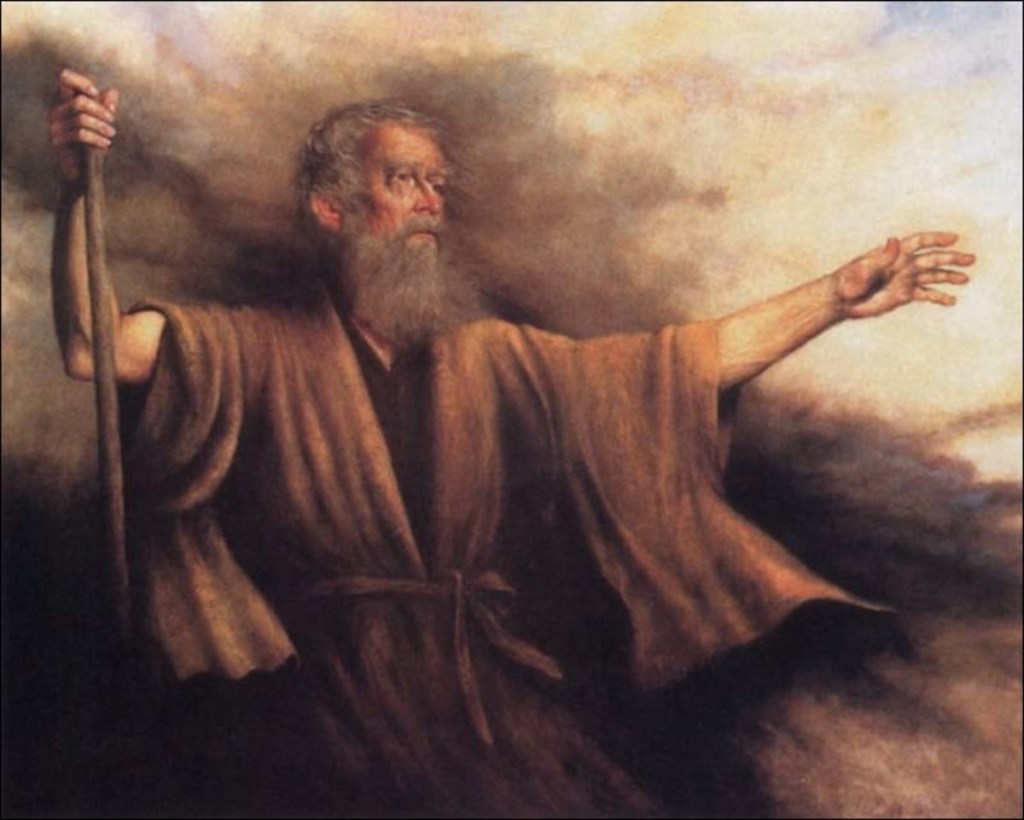
In the Old Testament, God spoke directly to the prophets. The prophets were God’s mouthpiece to the people. God would give the prophets the words to say. The prophets would declare “Thus says the Lord” and proclaim God’s message. Some of their prophecies were written down and compiled into what is now known as the Old Testament.
God directly spoke to people during the first century A.D. through the person of Jesus of Nazareth. Christians recognize Jesus as the prophesied Messiah, yet also as the second person of the Trinity. Therefore, Jesus is God. Anything Jesus said carried the authority and power of the Word of God. The apostles and their close associates wrote down some of the words of Jesus.
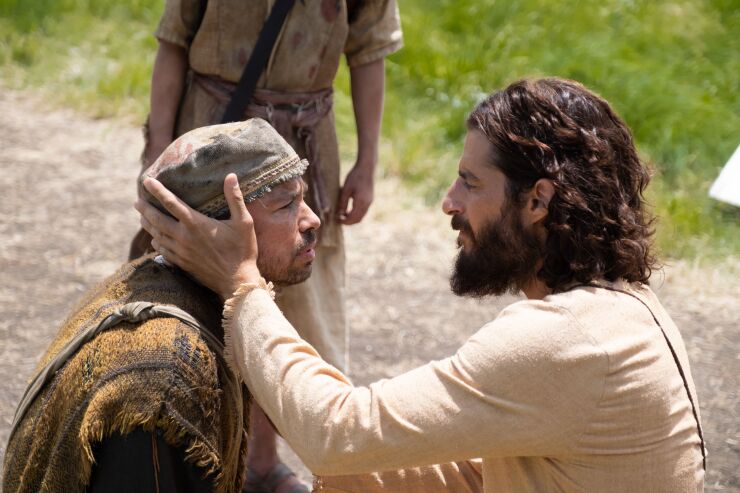
God spoke to specific people at specific times by direct means, but for most of human history, this has not been the case. Rather, our specific knowledge of God and His plan comes only through the writings of the prophets and the apostles. We call those writings the Bible. We believe that those writings do not just contain the words of God spoken by Christ and the mouths of the prophets, but that the Bible itself is the Word of God. We believe that God speaks to us through this written work.
The Authority of the Written Word
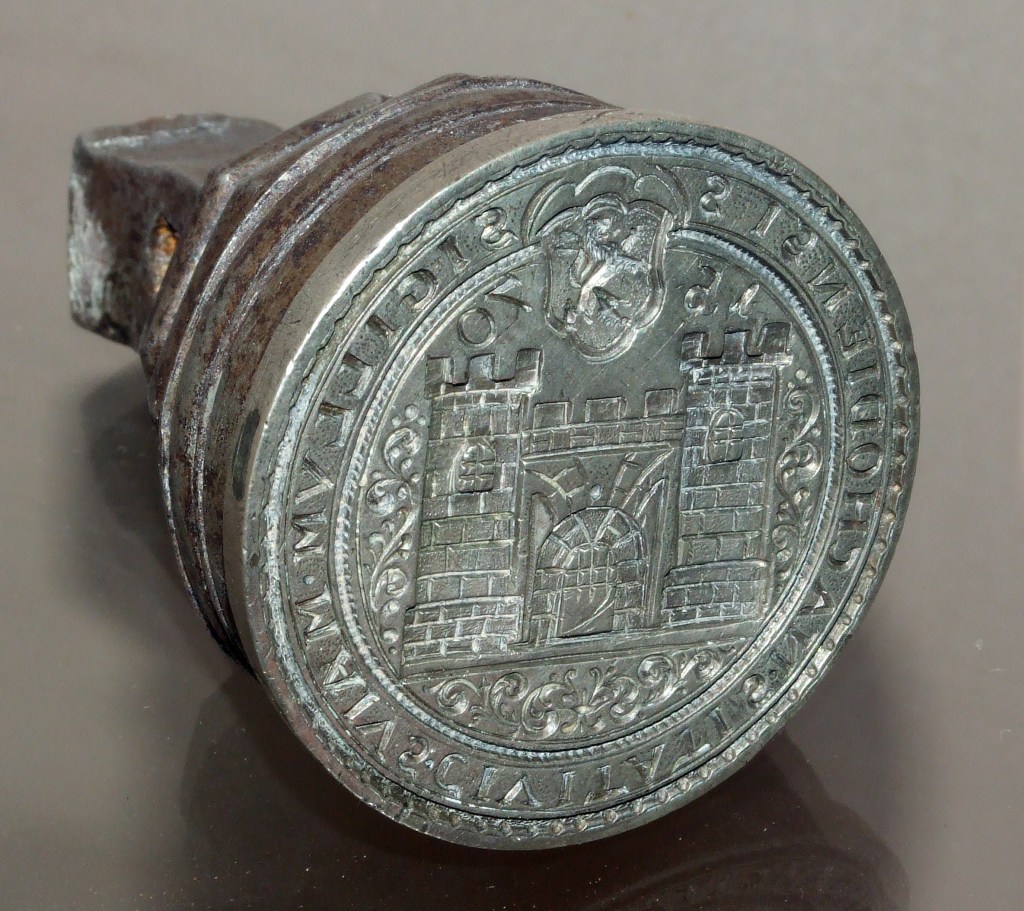
God’s authority applies to His written work as much as his verbal work. The same is often true in human terms. If a king wanted to enact a law, he would have it written down. He would sign it and set his seal upon it. The law is simply a piece of paper, but the authority of the law resides in the king’s own authority. His signature and his seal provide his authority to the law. A last living will and testament provide authority from someone who is no longer living. Prior to death, a man sets forth what he wants to take place after he is gone. He goes to a lawyer who drafts a document stating the man’s desire. The man signs the document, providing his authority to the will. A witness signs the will to validate the man’s signature. Both the king’s law and the man’s will possess authority which is derived from the individual. The written works are as authoritative as if the person said them audibly. They carry the force of the authority of the author.

Authority of the Biblical Authors

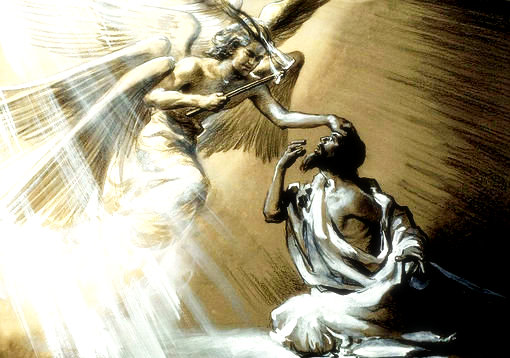
As stated, God does not normally speak directly to the masses. In the Old Testament, he spoke by the prophets. These were individuals who were granted authority by God. The vast majority of the prophets tell the stories of their authorization by God to be his messenger. In the book of Exodus, Moses told his story of how God worked in his life and authorized him to be the one to lead the Israelites out of Egypt. Isaiah records seeing God on his throne and an angel pressing coals against his lips before God giving him the words to speak. Jeremiah records how God prepared him from birth and placed his words in Jeremiah’s mouth. Each of these records how God authorized them to be his prophets. God extended his authority to these men, even to the extent that some of the prophets could perform amazing miracles. Since God extended his authority to them, what they wrote should be considered as authoritative as if God had said it himself. All of the Old Testament prophets wrote of the divine promise that was to come.
The divine promise was fulfilled in the person of Jesus Christ. He is the final and complete revelation of God. Jesus was authorized by the Father to speak and teach to such an extent that the apostle John called Jesus the Word. “In the beginning was the Word, and the Word was with God, and the Word was God” (John 1:1). Jesus possessed the authority of the Father to teach and to perform mighty miracles.
John the Baptist was a witness to Jesus’s authorization from the Father. All of the Gospels record Jesus’s baptism by John. When Jesus was raised from the water, John saw the Spirit of God descend like a dove upon Jesus and a voice from heaven declaring, “This is my beloved Son, with whom I am well pleased” (Matthew 3:13-17).
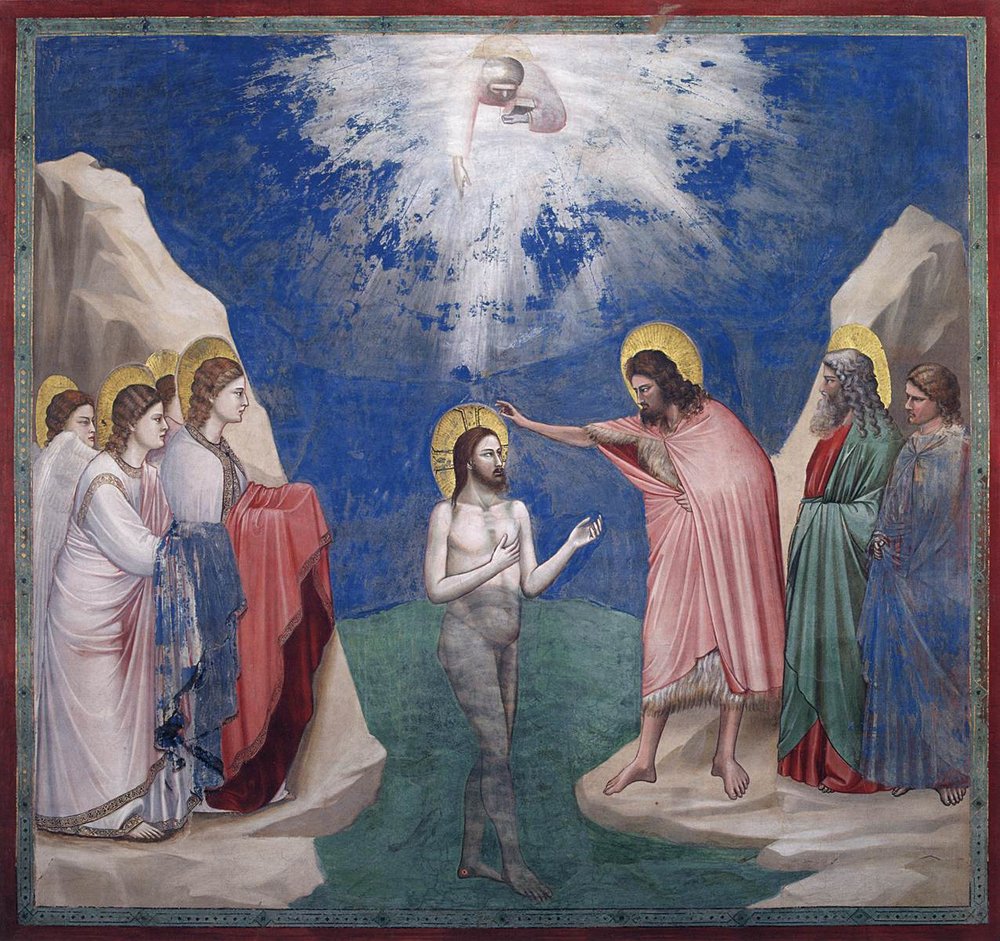
Just as the Old Testament prophets were authorized by God, so also Jesus was authorized by the Father. Jesus was not just another prophet though. The Father stated that Jesus was his son. In other words, what Jesus says matters. Jesus validated the Old Testament prophets repeatedly throughout the Gospels. Perhaps the best example can be found in Jesus’s prayer recorded in John 17:17, where Jesus states “Your word is truth.” He considered the Old Testament to be authoritative, so much so that he declared that he did not come to abolish the Old Testament, but to fulfill it (Matthew 5:17). However, Jesus did not actually write anything in the New Testament. Rather, he authorized the
apostles to write it.
After Jesus’s resurrection, he gave to the apostles what has come to be called the Great Commission. The closing words of Matthew’s Gospel record:
“Now the eleven disciples went to Galilee to the mountain to which Jesus had directed them. And when they saw him, they worshiped him, but some doubted. And Jesus came and said to them, “All authority in heaven and on earth has been given to me. Go therefore and make disciples of all nations, baptizing them in
Matthew 28:16-20
the name of the Father and of the Son and of the Holy Spirit, teaching them to
observe all that I have commanded you. And behold, I am with you always, to the
end of the age.”
Just as an officer may extend his authority to an enlisted soldier, so also Jesus extended his authority to the Twelve. The early church recognized the writings of the apostles as the Word of God. The apostle Paul wrote to the Thessalonians, “And we thank God constantly for this, that when you received the word of God, which you heard from us, you accepted it not as the word of men, but as what it really is, the word of God which is at work in you believers” (1 Thessalonians 2:13). The apostles also recognized one another as authoritative, such as when Peter writes that the writings of Paul are Scripture in 2 Peter 3:15-16. The apostles wrote with authority derived from Jesus, who is God the Son, who had been authorized by God the Father. Yet there is an additional element that must be considered in thinking about biblical authority.
Next week I will conclude this series of posts on the authority of Scripture by looking at the element that the Holy Spirit brings in its inspiration and authority.

 Joel McReynolds
Leave a comment