
I’ve been reading Aladdin and the Arabian Nights lately—a collection of tales filled with adventure, wisdom, and the power of storytelling. At the heart of these stories is Scheherazade, a young woman who captivates a ruthless king with her tales, postponing her execution night after night. She understands something profound: stories have the power to teach, to transform, and to reveal deep truths.

As I’ve been reflecting on these stories, I can’t help but see a connection to how God uses storytelling in the Bible to communicate His truth. The Arabian Nights may be fictional, but they tap into a reality that Scripture has demonstrated from the beginning—stories shape how we understand the world, and they have the power to change lives.
So, what can we learn from Arabian Nights about the role of biblical narrative?
Storytelling Engages the Heart and Mind
Why does Scheherazade’s storytelling work? Because she doesn’t just give the king facts—she pulls him into an unfolding drama that stirs his emotions and imagination. Each night, she leaves her story on a cliffhanger, compelling him to listen just a little longer.
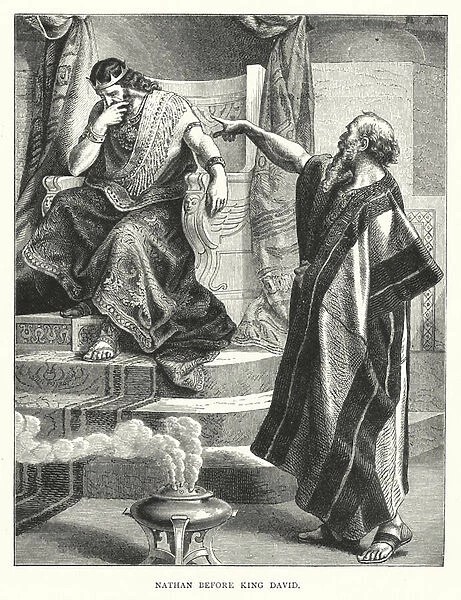
This is what biblical narratives do so well. They engage both the heart and the mind in a way that raw instruction or commandments alone often cannot. Think of Nathan’s parable to King David in 2 Samuel 12. Instead of immediately confronting David’s sin with Bathsheba, Nathan tells a story about a rich man who steals a poor man’s only lamb. David is outraged—until Nathan reveals, “You are the man!” The story softens David’s heart and helps him see his sin before he even realizes he is the subject of the lesson.
Jesus also used parables to engage people in the truth. Rather than just saying, “God forgives sinners,” He tells the story of the Prodigal Son (Luke 15). The vivid imagery of a rebellious son, a broken father, and an unexpected embrace teaches the lesson in a way that sticks—not just in the mind, but in the heart.
Good Stories Reveal Deeper Truths
The best stories go beyond entertainment; they reveal something true about life, humanity, or even God. The Arabian Nights, for example, contain moral lessons about wisdom, justice, and the dangers of greed. In Aladdin, a young man’s rise from poverty is not just about adventure—it explores the dangers of power, the illusion of wealth, and the longing for something greater.
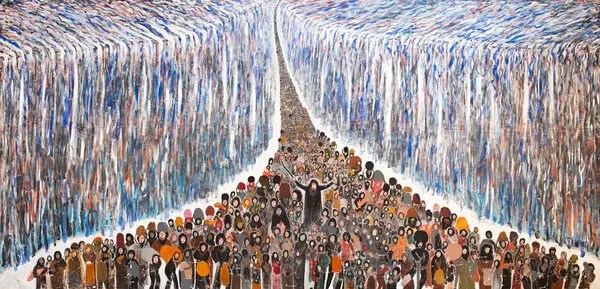
Likewise, the Bible’s narratives reveal eternal truths about God and His relationship with us. The Exodus is not just the story of one nation escaping slavery—it is a picture of our own redemption from sin. The story of Ruth and Boaz is not just a love story—it is a shadow of God’s redeeming love for His people.
This is why the Bible doesn’t just give us a list of doctrines; it gives us stories—because truth is best understood when it is lived, felt, and experienced.
Stories Call for a Response
Scheherazade’s stories don’t just entertain the king—they change him. By the time she reaches the end of her tales, the once-bloodthirsty king has softened. He sees wisdom, justice, and mercy in a new light. The right story, well told, can move someone toward transformation.
In the same way, biblical stories call for a response. Jesus’ parables often end with a challenge: What will you do now that you’ve heard this? When Peter preaches on the story of Christ’s death and resurrection in Acts 2, the people are cut to the heart and ask, “What shall we do?” The gospel is not just information—it’s an invitation to respond.
The stories in the Bible aren’t meant to be read like fables or myths. They are God’s revelation of Himself—and they demand action. Will we respond in faith, like Ruth, or turn away, like the rich young ruler? Will we trust God in suffering, like Job, or become bitter, like Jonah?
Conclusion: The Greatest Story Ever Told
Aladdin and the Arabian Nights is an enjoyable read because of its compelling narratives and timeless themes. But as powerful as these stories are, they pale in comparison to the greatest story ever told—the gospel.
The Bible tells one grand story:
• A perfect creation (Genesis).
• A tragic fall (Sin & Death).
• A promised Redeemer (Jesus Christ).
• A coming Kingdom (New Heaven & New Earth).
The Bible tells one grand story.
And just like Scheherazade’s stories changed a king, God’s story changes us. It invites us not just to listen, but to enter in—to become part of His kingdom, His redemption, His eternal story.
God’s story changes us.
So, as I continue reading Aladdin and the Arabian Nights, I’m reminded of the power of a well-told story. And I’m grateful that, in Christ, we are not just listeners—we are participants in the story God is writing for eternity.
How have stories—whether in Scripture or elsewhere—shaped your understanding of truth? Let’s continue the conversation in the comments!

 Joel McReynolds
Leave a comment